
Have you ever looked at an old piece of furniture and thought, “This could be something amazing”? Well, you’re not alone! Upcycling old furniture is a fantastic way to breathe new life into worn-out pieces, save money, and create unique items that add charm to your home. Plus, it’s eco-friendly and oh-so-satisfying! 🌍💚
Today, I’m going to walk you through a step-by-step guide on upcycling old furniture. Whether you’re a seasoned DIYer or a complete beginner, these tips will help you transform your old furniture into something fabulous.
Why Upcycling?
Before we dive into the steps, let’s talk about why upcycling is such a great idea.
- Eco-Friendly: Upcycling reduces waste by repurposing old items instead of discarding them.
- Budget-Friendly: It’s often cheaper to refurbish old furniture than to buy new pieces.
- Unique Style: Upcycled furniture is one-of-a-kind, adding a personal touch to your home decor.
- Creative Outlet: It’s a fun and rewarding way to express your creativity.
Step 1: Choose Your Piece
The first step in upcycling is to choose the right piece of furniture. Look for something sturdy and solid. Even if it looks a little rough around the edges, as long as it’s structurally sound, you can work with it.
Where to Find Furniture:
- Thrift stores
- Garage sales
- Online marketplaces like Craigslist or Facebook Marketplace
- Your own home! Look around for pieces you’re ready to part with or refresh.
Step 2: Gather Your Materials
Once you’ve chosen your piece, it’s time to gather your materials. Here’s a basic list of what you might need:
Materials:
- Sandpaper (various grits)
- Paint or stain
- Paint brushes or rollers
- Primer (if painting)
- Screwdriver or drill
- Wood filler (for repairing any damage)
- Protective finish (like polyurethane)
- Drop cloth or old sheets (to protect your workspace)
Step 3: Clean and Prep
Before you can start transforming your piece, you need to give it a good clean. Dust, dirt, and grease can prevent paint and finishes from adhering properly.
Steps:
- Clean: Wipe down the furniture with a damp cloth and a mild cleaner. Make sure to remove any grime or old wax.
- Remove Hardware: Take off any knobs, handles, or hinges. This makes it easier to paint or stain.
- Sand: Sand the entire piece to remove old paint or varnish. Start with a coarse grit and finish with a finer grit for a smooth surface. This step is crucial for ensuring the new paint or stain adheres well.
- Repair: Fill any holes or cracks with wood filler. Once it’s dry, sand it smooth.
Step 4: Prime and Paint/Stain
Now comes the fun part! Whether you decide to paint or stain your piece, this step is where your furniture starts to come to life.
Painting:
- Prime: Apply a primer if you’re painting. This helps the paint adhere better and provides a uniform base.
- Paint: Once the primer is dry, apply your paint. Use long, even strokes, and let each coat dry completely before adding another. Two to three coats are usually sufficient.
- Finish: Once the paint is dry, apply a protective finish to seal it. Polyurethane is a good option for durability.
Staining:
- Apply Stain: Using a brush or cloth, apply the stain in the direction of the wood grain. Wipe off any excess with a clean cloth.
- Repeat: For a deeper color, apply additional coats, allowing each coat to dry in between.
- Finish: Apply a clear protective finish once the stain is dry.
Step 5: Reassemble and Add Hardware
Once your paint or stain is completely dry, it’s time to reassemble your piece and add any hardware you removed.
Steps:
- Reattach Hardware: If you removed knobs or handles, put them back on. You can also replace them with new ones for a fresh look.
- Add Accessories: Consider adding new elements like shelf liners, decorative decals, or fabric panels to enhance the look.
Step 6: Style and Enjoy
Now that your upcycled furniture is complete, it’s time to style it in your home. Here are a few tips for showcasing your masterpiece:
- Choose the Right Spot: Place your furniture where it will be most functional and aesthetically pleasing.
- Decorate: Add decor items like vases, books, or plants to complement your piece.
- Mix and Match: Don’t be afraid to mix upcycled pieces with new ones for an eclectic, personalized look.
Tips for Success
To make sure your upcycling project goes smoothly, here are a few additional tips:
- Start Small: If you’re new to upcycling, start with a smaller piece like a chair or side table. As you gain confidence, you can tackle larger projects.
- Take Your Time: Don’t rush the process. Allow adequate drying time between coats of paint or stain.
- Experiment: Don’t be afraid to try new techniques or color combinations. Upcycling is all about creativity!
- Use Quality Materials: Invest in good quality paint, brushes, and finishes. It makes a big difference in the final result.
- Stay Safe: Work in a well-ventilated area and use protective gear like gloves and masks when needed.
Upcycling Ideas for Inspiration
To get your creative juices flowing, here are a few upcycling ideas you can try:
1. Vintage Dresser to TV Stand: Transform an old dresser into a chic TV stand by removing a few drawers and adding shelves. Paint it a bold color for a modern twist.
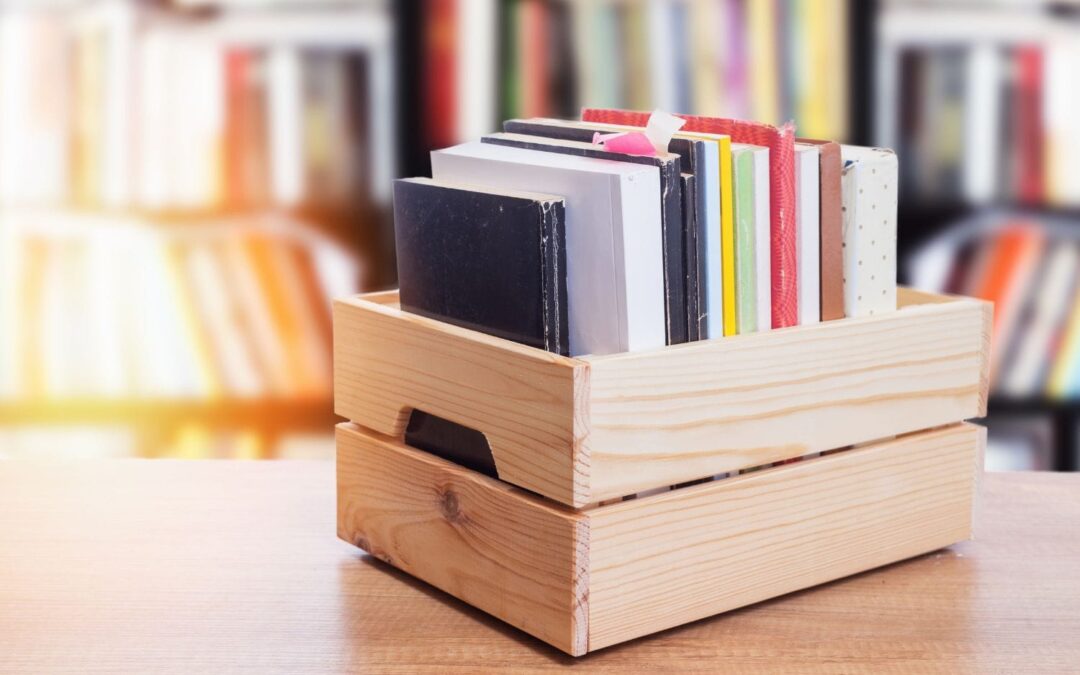
2. Wooden Crate Bookshelves: Stack wooden crates to create a rustic bookshelf. Stain them for a more polished look or paint them for a pop of color.
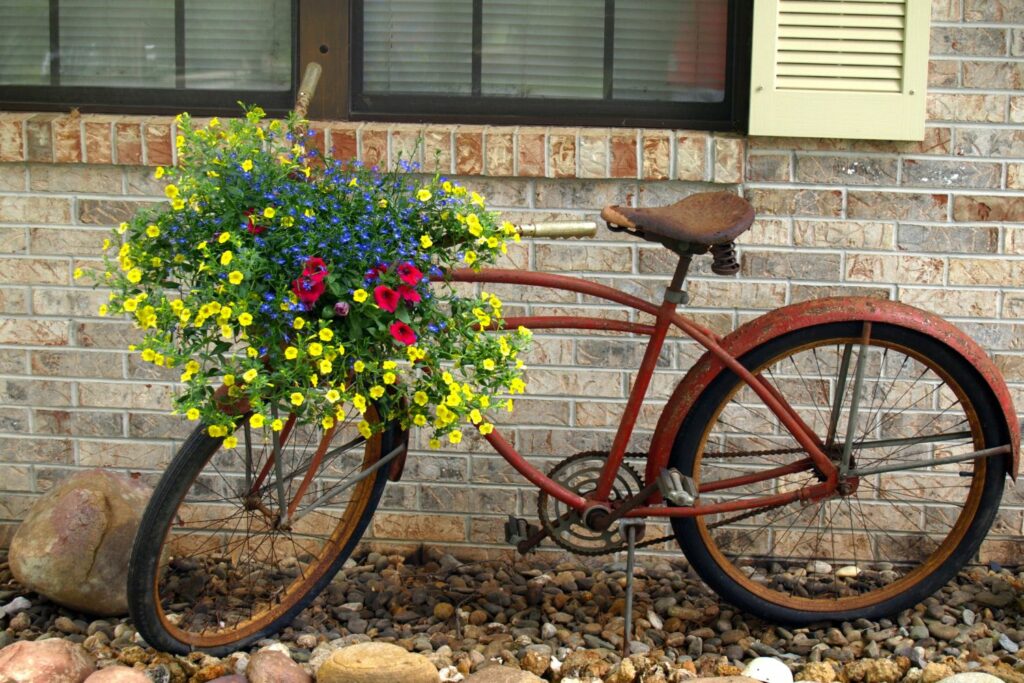
3. Chair Planter: Turn an old wooden chair into a unique planter by removing the seat and adding a potted plant. Perfect for a garden or patio.
4. Bed Frame Bench: Convert an old bed frame into a stylish bench. Use the headboard as the backrest and add a comfortable cushion.
5. Pallet Coffee Table: Use wooden pallets to build a rustic coffee table. Add wheels for easy mobility and a glass top for a sleek finish.
With a little creativity and effort, you can turn even the most worn-out pieces into stunning, functional decor. Not only will you save money and reduce waste, but you’ll also have a blast doing it.
Remember, the key to successful upcycling is to have fun and let your creativity shine.